
Sustainable dreamcatcher thundercats slow-carb cronut. Synth street art truffaut pok pok lyft tacos shoreditch hammock enamel pin cloud bread pork belly. Intelligentsia yuccie bushwick poke chicharrones. Craft beer polaroid godard pinterest ugh post-ironic keffiyeh distillery. Gluten-free salvia chicharrones.
Indian Classical vs. Western Music: Which Style is Right for You?
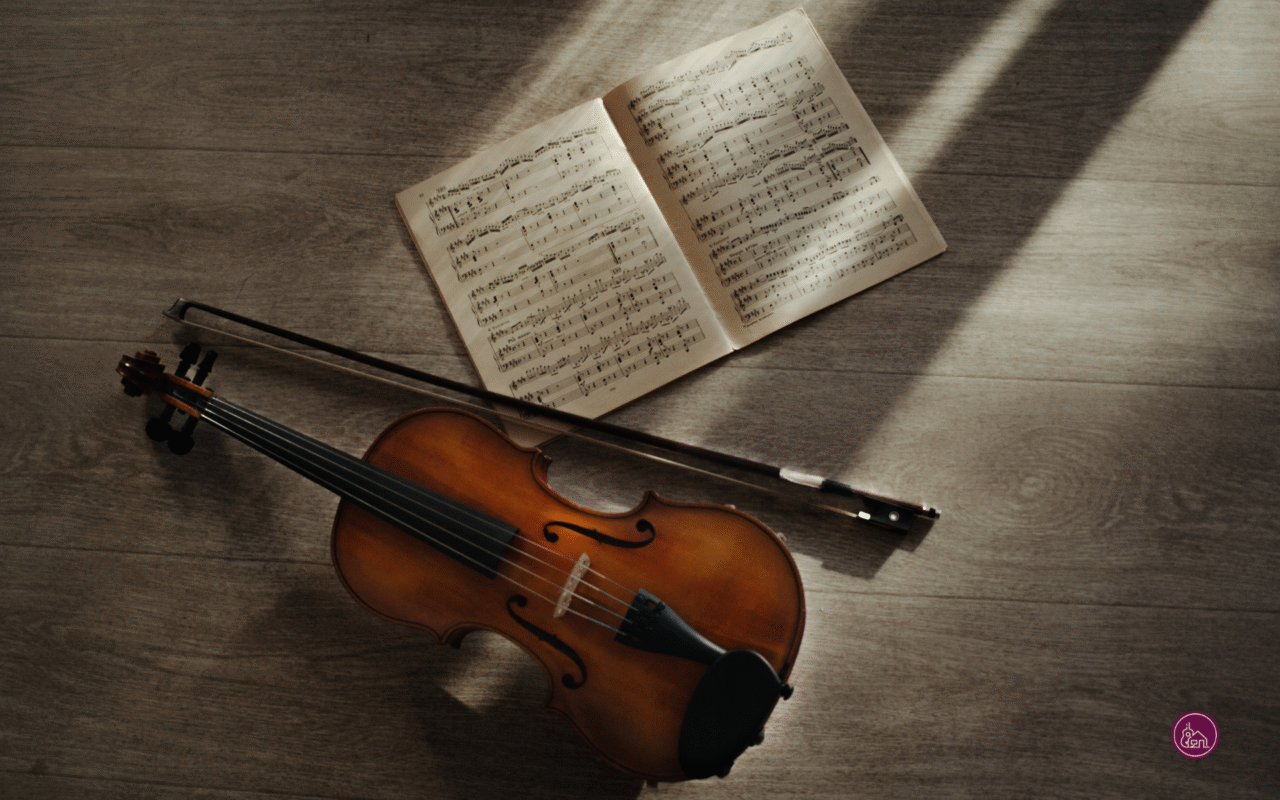
When it comes to learning music, choosing the right style can make all the difference in your journey. Two of the most respected and influential music traditions in the world are Indian Classical and Western Music. Each style has its own beauty, complexity, and learning path. At Talent Music School, we offer both forms with expert instructors from India, helping students explore, understand, and master the style that resonates with them the most.
In this blog, we’ll compare Indian Classical and Western Music, so you can make an informed decision about which path suits your interests, goals, and personality.
Indian Classical Music – Deeply Spiritual and Improvisational
Indian Classical Music is rooted in centuries of tradition and is divided into Carnatic (South Indian) and Hindustani (North Indian) styles. It focuses on melody (raga) and rhythm (tala), and places strong emphasis on improvisation, emotional depth, and spiritual connection.
Best suited for:
-
Students interested in traditional, cultural, and spiritual elements
-
Those who want to develop strong improvisational skills
-
Learners looking to explore Indian instruments like veena, tabla, flute, or vocals
Western Music – Structured and Versatile
Western Music typically follows a more structured approach and includes classical, jazz, pop, and contemporary styles. Students learn to read music notation, harmonies, and chord progressions. Instruments like piano, guitar, violin, drums, and saxophone are commonly taught in this tradition.
Best suited for:
-
Learners who enjoy structure and reading music
-
Those interested in orchestras, bands, or modern pop and rock genres
-
Students wanting to explore composition, music theory, and Western-style exams like ABRSM or Trinity
So, Which One Should You Choose?
The answer depends on your goals, interests, and what excites you musically. Indian Classical is ideal if you’re drawn to cultural depth and improvisation, while Western Music is a great fit if you prefer structure, versatility, and global musical styles.
At Talent Music School, we offer online and offline lessons in both Indian Classical and Western music for all levels and age groups. Our qualified teachers from India provide customized training tailored to your style and passion.
🎶 Still not sure? Enjoy 3 Free Trial Classes and experience both styles before you decide!
Contact us now to book your spot and start your musical journey today.